Is Your Workplace Weight Loss Challenge Causing More Harm than Good?

workplace-weight-loss-challenge-harm

It’s the time of year for weight loss. Social media feeds are full of diets and 30-Day Challenges. Gyms are bursting at the seams. Many organizations are running New Year’s weight loss challenges. With weekly weigh-ins and prizes for those who lose the most weight. In this article I share why despite these organizations’ good intentions, weight loss challenges have a negative impact on health, and perhaps employee morale.

Many workplace weight loss challenges are inspired by the Biggest Loser reality TV show that started in 2004 and ran for 17 years. It made for popular TV. But is it really how best to lose weight? Not according to the scientific literature.

Impact of The Biggest Loser on Metabolism

A research study followed-up with 14 Biggest Loser contestants 6 years after they participated in the show. One participant had lost weight since the show. Five stayed at a similar weight. The remainder gained a significant amount of weight (average of 90lbs). The weight regained was fat (not muscle). What’s more important than the weight regain is the long-term impact on metabolism that participants experienced. Six years after participating on the show, participants’ resting metabolic rate was 704 ± 427 kcal/day lower (that includes both people who kept the weight off and those who regained the weight). That means that their metabolism had slowed down by 700 calories per day. In other words, they need to eat 700 calories per day less than a parson of the same weight in order to maintain their current weight. 700 calories is a lot – we’re talking a whole meal. While this is a small study, it showcases what other research has found regarding the impact on metabolism from strict calorie restriction. Since the Biggest Loser TV show has had such an impact on our culture, as the inspiration for these types of workplace “wellness” programs, I want to highlight its long-term, negative impact on the participants. Why it’s not something that you want to use as inspiration.  

Most People Regain Weight

Unfortunately, The Biggest Loser participants’ experiences aren’t unique. Their experience of regaining the weight is typical for people who go on diets/ short-term programs. Research shows that only 20% of people who initially lose 10% of their body weight, maintain that weight loss 1 year later. Only 20%! And, we’re only talking about a 10% weight loss which isn’t even all that dramatic. Definitely not Biggest Loser style. For example, if you weigh 250lbs, we’re talking losing 25lbs. Now imagine that your doctor recommended that you start taking a medication. But that the medication has an 80% chance that it won’t have any impact on your health condition that you’re looking to treat. And, if you happen to be a part of the lucky 20%, it will only have a small positive impact. Oh, and don’t forget, whether you end up being in the 80% majority or the 20% minority, the medication has life-long, life-changing, negative side-effects. If I was a betting woman, I’d bet that you’d question whether there was a more effective option.

Anti-DEI

Another problem with workplace weight loss challenges is that they assume that all participants have an equal chance of winning. This just isn’t true. For decades, the scientific literature has shown that weight isn’t as simple as calories in and calories out. In contrast, to quote from Obesity Canada “obesity is a chronic disease caused by the complex interplay of genetic, metabolic, behavioural, and environmental factors”. In other words, it’s simply not fair to pit the single, 25 year old guy with no kids against the 51 year old, post-menopausal, single mother, who had her “thrifty gene” turned on because her grandmother experienced famine. To speak frankly, in our current world where there’s an acknowledgement of the lack of even playing fields for people and focus on diversity, equality, and inclusivity, I’m shocked that these weight loss challenges continue.

Ignoring DEI. Setting people up to fail. Contributing to long-term, negative physical health impacts. I don’t think that it’s a stretch that this well-meaning employee “wellness” event has a negative impact on employee morale.  

What to To Instead of Workplace Weight Loss Competitions

So, what’s the alternative? Do nothing? In short, no. I recommend taking inspiration from established best practices and clinical practice guidelines. Current clinical practice guidelines for obesity have taken the emphasis off of weight loss as the primary measure of success. The focus now is on individualized solutions and helping people adopt long-term, healthy habits. Instead of employee weight loss competitions, create wellness programming that supports healthy habit formation. And, provide one-to-one nutrition counselling to ensure that the changes that employees are making actually support their health.

 Are you responsible for workplace wellness programming at your organization? Use this link to book a consult call with me to explore whether your workplace wellness program is up-to-date with the current scientific evidence for what promotes health. Or, let your workplace wellness committee know about us.


Photo credit: I. Yunmai on Unsplash

Workplace Weight Loss Challenge References

Fothergill et al. Persistent metabolic adaptation 6 years after “The Biggest Loser” competition. Energy Expenditure and Weight Control. 2016.

Wing and Phelan. Long-term weight loss maintenance. American Journal of Clinical Nutrition. 2005.
Obesity Canada. Canadian Adult Obesity Clinical Practice Guidelines. Medical Nutrition Therapy Chapter. Updated 2022.

Hassapidou et al. European Association for the Study of Obesity Position Statement on Medical Nutrition Therapy for the Management of Overweight and Obesity in Adults Developed in Collaboration with the European Federation of the Associations of Dietitians.Obesity Facts.2022.

Vegan Chili

vegan chili

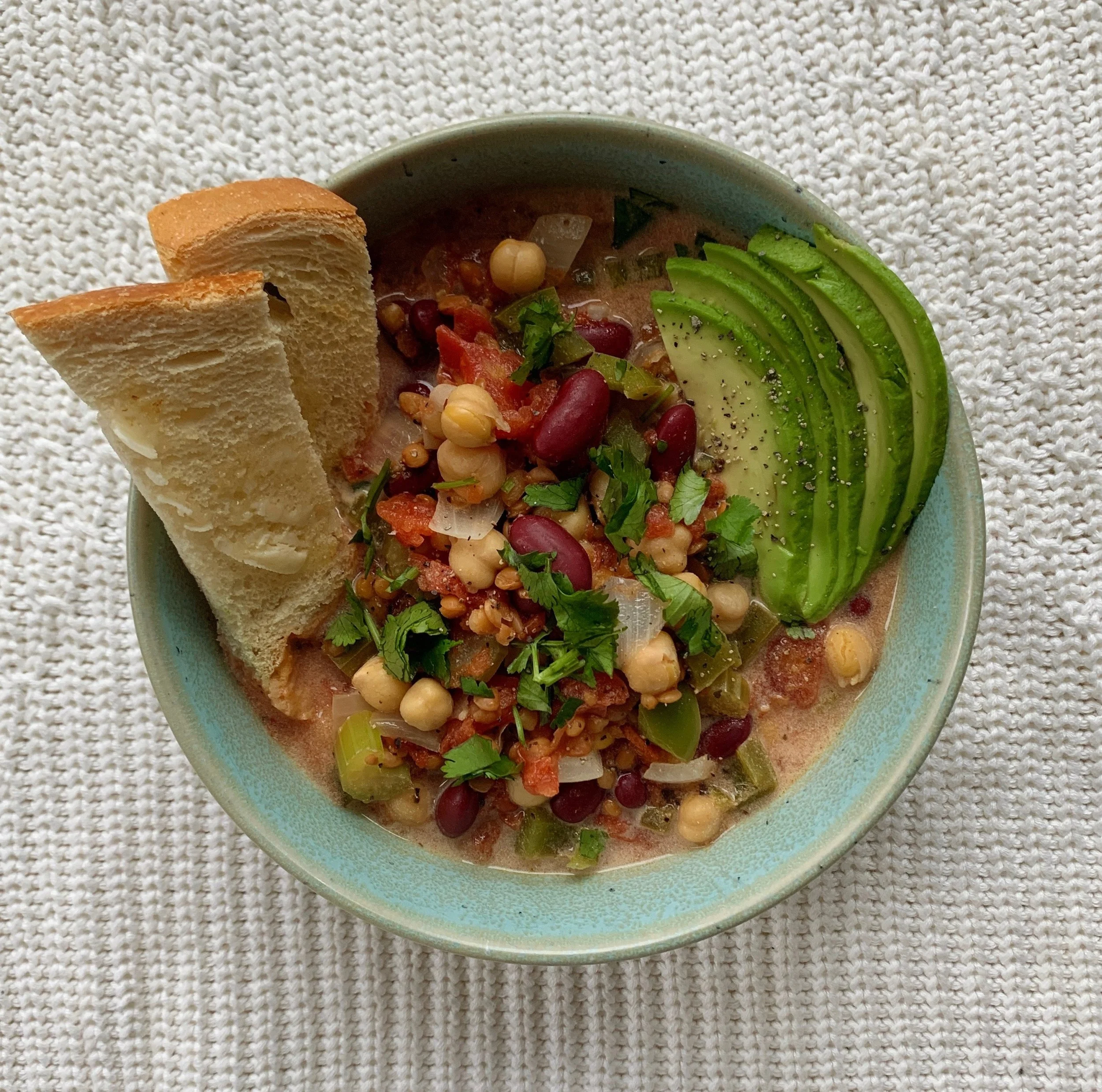
In my opinion, everyone should have a great chili recipe in their repertoire. As my Grandmother would say, It’s the perfect cold day “stick to your ribs” food. Chili is also a filling and delicious way to incorporate more plant-based foods and beans/lentils into your eating habits.

This chili, that fantastic dietetic student Olivia has created, takes a twist with coconut milk. Thank you Olivia!

Vegan Chili Ingredients

1 tbsp olive oil

1 white onion (chopped)

3 garlic cloves (minced)

2 stalks celery (chopped)

1 bell pepper (chopped)

½  jalapeno pepper

19 oz can chickpeas

14oz can kidney beans

14 oz can lentils

14oz canned tomatoes

¾ cup coconut milk

1 cup veggie broth

1 tsp cumin

1 tsp dried oregano

1 tsp paprika

cilantro (optional)

avocado (optional)

toast for dipping (optional)


Vegan Chili Directions

  1. Chop the onion, garlic, celery, bell pepper, and jalapeno pepper.

  2. Heat the olive oil in a large saucepan on medium heat.

  3. Add the garlic and onion. Sautee for 5 minutes.

  4. Add the celery, bell pepper, and jalapeno pepper. Sautee for another 5 minutes.

  5. Add the beans, lentils, tomatoes, vegetable broth, and spices. Simmer for at least 30 minutes.

  6. Add the coconut milk and stir.

  7. Optional: Top with cilantro and avocado.

  8. Optional: Serve with a slice of sourdough toast.

  9. Enjoy!

Recipe and photo credit: Olivia Dodsworth.

Women Leaders are Burning Out. Nutrition Can Help.

Women leaders are leaving their organizations in the highest rates in years. Why? Because they’re burnt out. The good news is that nutrition can help prevent this outcome.

Why are women leaders burning out? They take on unrecognized work to support their team members’ well-being. On top of that, women at all levels are far more likely than men to be responsible for most, or all, of their family’s housework and caregiving. Not surprisingly, they burn out.

That’s one of the findings from the 2022 Women in the Workplace study by McKinsey and Company – the largest study to date of women in corporate America. And while, yes, that’s a US study, it’s reasonable to assume that the situation is similar here in Canada.

3 Years of High Stress

Does it feel familiar? If I was a betting woman, I’d bet that you answered “yes”.

It’s certainly what we’ve seen when working with our clients. And, the dial on this extra stress has been cranked up since the pandemic started in March 2020. That’s almost 3 years of sky-high stress!

Sky-high expectations, both on the work-front and on the home-front. It’s no wonder that we’ve been seeing clients turn to stress eating as a relief valve. Digestive symptoms have worsened. Exercise has fallen so far down the mile-long to-do list that it almost never happens. Cholesterol, triglycerides, blood sugar, and blood pressure are rising.

Nutrition Can Help

It’s obvious that change is needed. And yes, nutrition can be a part of the solution. Restrictive diets and 30-day challenges offer seductive, short-term, quick fixes. And while it’s human to be drawn into doing them, the wiser part of us knows that a more practical, long-term solution is the smart answer.  

The answer, in our team’s experience, is to create practical, small changes that you can maintain. While not as sexy as the “before” and “after” photos of those diets and challenges, they create real change. Change in energy levels, change in digestive symptoms, change in focus, change in blood test results, and help in backing away from burn out. Which, in my opinion, is much sexier than another time around what I call the diet-guilt cycle. 

And research supports this too. Studies show positive health outcomes from small, sustained eating changes that result in 5-10% weight loss (even no change in weight). So much so that the newly released (December 15, 2022) position statement on the management of overweight and obesity by the European Association for the Study of Obesity states that nutrition interventions should be personalized, incorporate long-term habits, and created with help from dietitians.  

Further, through our experience with busy, working women, we know that your commitments aren’t stopping any time soon. We need to create practical ways to put your needs back on the table. Not expect you to drop everything in order to put intensive time into dramatic diet changes. Because that’s another problem with diets and short-term challenges. They only consider your needs, as if you only have your needs to consider. Ha, that’s laughable! More likely, as the US workforce study shows, you’re the glue that’s keeping your family together and your work team functioning, never mind your volunteer committees, etc.

So, what are some of the practical solutions that we create for people? I’ll share a couple of them here. Maybe they’ll be a fit for you too.

  • Pack Your Lunch When Working From Home: Do you work from home and find that you either skip lunch, or you end up grazing all day? I’ve found that 3 steps of 1) thinking of what to eat, 2) making it, and 3) eating it, can get in the way of eating a healthy lunch. A strategy that’s been successful for a number of clients has been to pack a lunch for yourself when you’re packing your kids’ lunches. That way, the steps of 1) thinking about and 2) making lunch have been moved away from lunchtime. Now all you need to do is take your packed lunch out of the fridge and eat it. While it seems silly, this can remove enough barriers that you actually eat the healthy lunch that you want to eat.

  • Have Compromise Meals: Often I see clients who want to eat healthy dinners, but feel that with their picky kiddos, they’re left with only 2 solutions: 1) either eat kid food; or 2) make 2 meals every night. Sound familiar? The answer is in the middle ground. To quote my past mentor Ellyn Satter, when it comes to making family meals “consider, don’t cater, to kids”. What does this look like? Make the dishes that you want to eat. And, include some components of the meal that your kids will eat. For example, make that lentil-vegetable stew that you love and serve it with rice and cut-up fruit or raw veggies on the side. Sure, the kids may only eat rice and fruit/ raw veggies for dinner. Simply serve your kids protein foods at other meals or snacks in the day so that their nutrition needs are met. And, you get to eat your stew that you both enjoy and that meets your nutrition needs.  


Looking for more individualized support? Use this link to book a (free) information call and I’ll match you with the best-fit dietitian on our team.

Also, I’ve been working behind-the-scenes to create a new service package for organizations to support team leaders/managers’ productivity. Tell your HR manager and have them use this link to book a phone call with me. Then I can what’s going on in your organization and they can hear about the service. That way they will have everything they need to make the right decision for your organization


References

https://www.karger.com/Article/Pdf/528083

https://www.mckinsey.com/featured-insights/diversity-and-inclusion/women-in-the-workplace

Photo by LinkedIn Sales Solutions on Unsplash

Vegan "Butter Chicken" (Without the Butter or the Chicken)

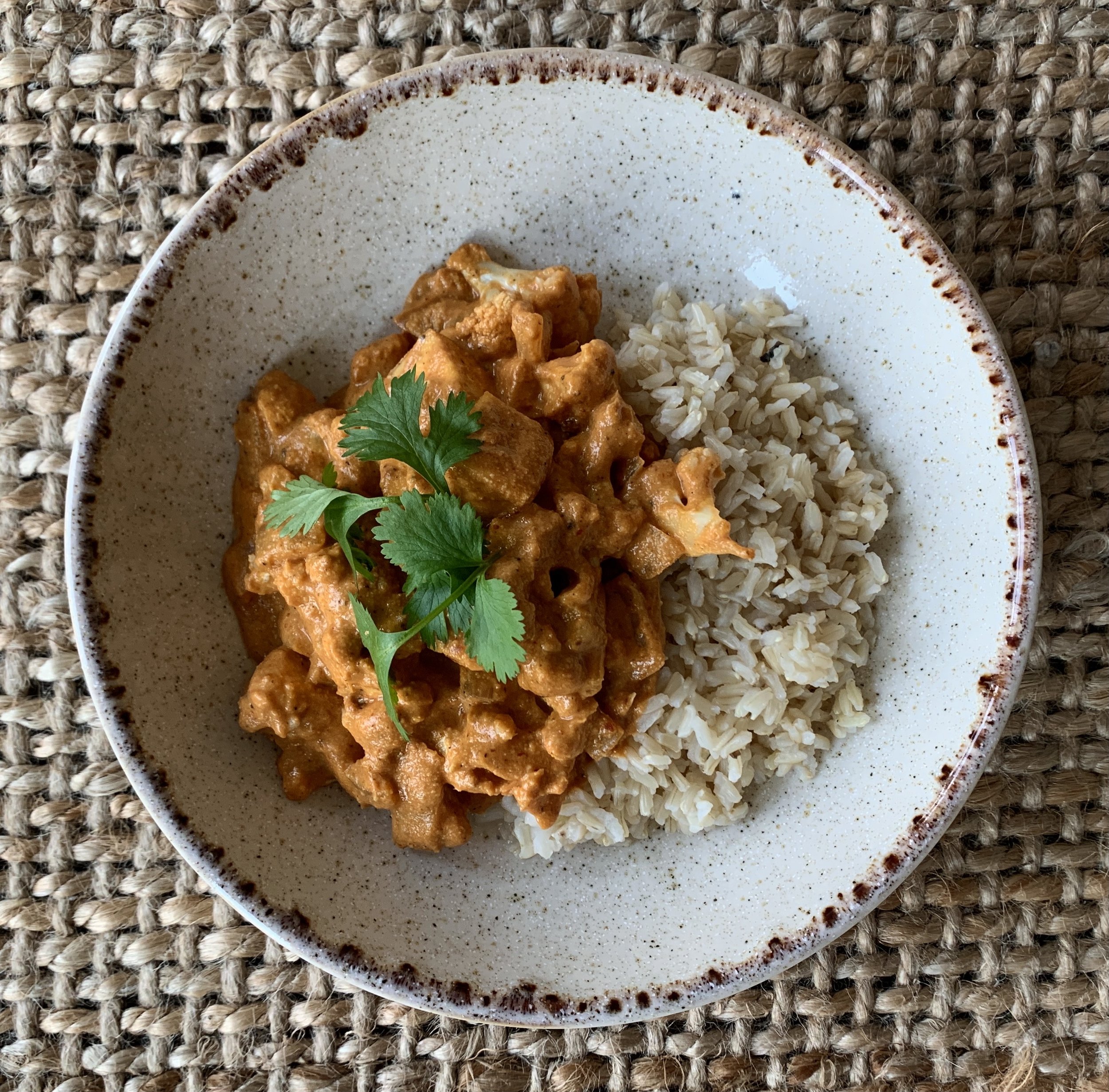
This is a warm, comforting dish - perfect for dark, cold nights. Don’t be confused by the recipe’s name. It’s vegan - i.e. there’s no butter, chicken, or cream. In this recipe, we’re using tofu instead of the chicken, olive oil instead of the butter, and cashews instead of the cream. But, butter chicken’s flavour profile is the inspiration for this dish so we wanted to keep the name so you would know what to expect.

FODMAP rating: High FODMAP

Vegan Butter Chicken Ingredients

 ½ cup raw cashews

½ cup vegetable broth

½ cup water

¼ cup tomato paste

1 tbsp olive oil

1-inch fresh ginger

3 garlic cloves

1 medium white onion

1 tsp turmeric powder

½ tsp cumin

1 tsp paprika

1 tsp garam masala

1 tbsp chili flakes (optional)

1 tbsp maple syrup

Salt and pepper to taste

 1 cup raw brown rice

2 cups water

¼ cup cilantro for garnish

 1 block of extra firm tofu (this is crucial to get that chicken texture)

Half head of cauliflower


Vegan Butter Chicken Directions

  1. Soak cashews in warm water for one hour to soften. Blend to form a cashew cream.

  2. Preheat oven to 425 degrees F.

  3. Press the tofu with a paper towel to release the water.

  4. Cut the tofu into bite-size pieces. Toss it in a large bowl with olive oil, salt, and pepper. Place the tofu on a baking sheet.

  5. Wash and cut the cauliflower into bite-size pieces. Toss in a large bowl with olive oil, salt, and pepper. Place on the baking sheet with the tofu and bake for 20-30 minutes, flipping halfway through.

  6. In a small pot, combine 1 cup of brown rice with 2 cups of water. Bring to a boil, then cover and reduce the heat to low until all the water evaporates.

  7. Finely chop the garlic, onion, and ginger.

  8. In a large saucepan or Dutch oven, heat the olive oil on medium heat. Sautee the onion, garlic, and ginger (about 5 minutes). Add the seasonings.

  9. Add the tomato paste, cashew cream, and vegetable broth while stirring constantly to prevent sticking to the bottom of the saucepan (and burning).

  10. Add the roasted tofu and cauliflower. Simmer for 10 minutes then taste, adding more salt and pepper if needed.

  11. Serve over brown rice and garnish with cilantro.

 Enjoy!


Looking for more plant-based recipes? Check out Zucchini and Sundried Tomato Tempeh Pasta.

Recipe and photo credit: Olivia Dodsworth. Thank you Olivia!

Harvest Quinoa Salad

Harvest Quinoa Salad Ingredients

1 large sweet potato, diced (peel on)

½ tbsp olive oil

Salt and pepper to taste

1/2 cup raw quinoa

1 cup water

2 cups chopped kale (stem removed)

1 large apple or pear, diced (peel on)

¼ cup thinly sliced red onion 

¼ cup dried cranberries

¼ cup pumpkin seeds

1/3 cup feta cheese or goat cheese (or vegan cheese)


Harvest Quinoa Salad Dressing Ingredients

3 tbsp olive oil

2 ½ tbsp apple cider vinegar

1 ½ tsp Dijon mustard

¾ tsp honey (use maple syrup for a vegan option)

1 garlic clove

Salt and pepper to taste

Harvest Quinoa Salad Directions

  1. Preheat the oven to 425 degrees F.

  2. Combine 1/2 cup quinoa and 1 cup of water in a small pot and bring to a boil. Once boiled, reduce heat and cover until all the water is evaporated. Approximately 15 minutes. Allow to cool.

  3. Meanwhile, dice the sweet potato and place in a medium bowl.

  4. Toss the sweet potato with the olive oil and season with salt and pepper. Roast on a baking sheet for 30 minutes, flipping halfway. Allow to cool.

  5. Wash and chop the kale, apple/pear, and onion. Add to a large bowl with the cranberries, pumpkin seeds, and cheese. Once the sweet potato and quinoa are cooled, add them in as well.

  6. For the dressing, blend all ingredients until smooth and pour over the salad.

Enjoy!

Recipe and photo by Olivia Dodsworth. Thank you Olivia! 

Click here for another delicious salad that includes kale and yams/ sweet potato.

Pumpkin Spice Breakfast Bar (Nut Free)

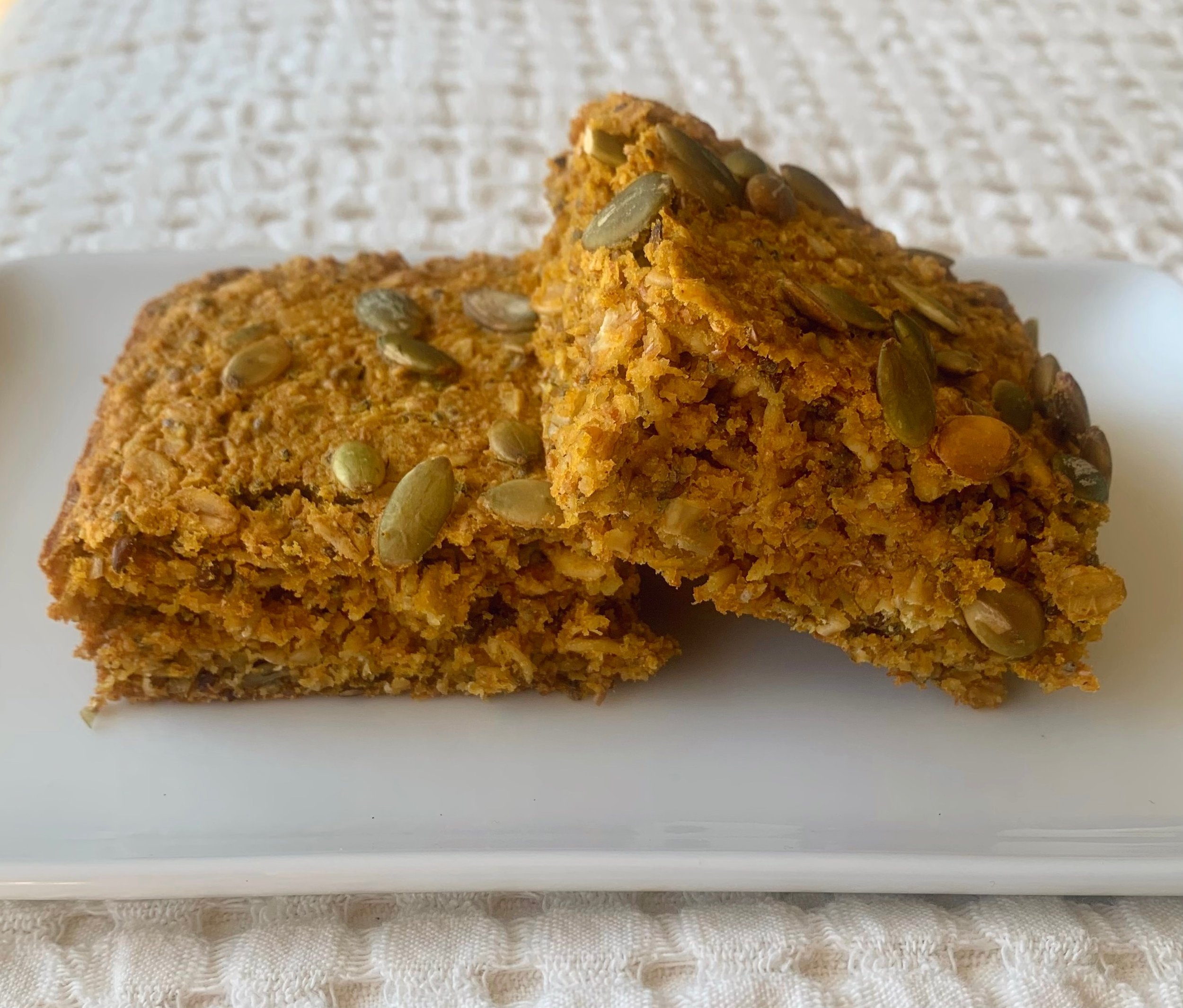
This recipe is perfect for busy fall mornings when you don’t have time to cook breakfast in the morning. It’s packed with nutrients, providing energy to get through the morning.

Pumpkin Spice Breakfast Bar Ingredients

2 ½ cups rolled oats

1 cup plant-based milk

½ cup natural maple syrup

½ cup pumpkin puree

¼ cup coconut oil

1 egg

1 tsp vanilla

1 tsp pumpkin spice (or cinnamon)

1.5 tbsp chia seeds

½ tsp baking soda

½ tsp baking powder

Pinch of salt

½ cup pumpkin seeds

Pumpkin Spice Bar Directions

  1. Preheat the oven to 350 degrees Fahrenheit

  2. Add 1 cup of the oats to a blender and blend until a flour is formed. Set aside.

  3. Whisk together the milk, maple syrup, pumpkin puree, coconut oil, egg, and vanilla in a large bowl. Add the oat flour, remaining oats, chia seeds, baking powder, baking soda, pumpkin spice, and salt. Fold in ¼ cup of the pumpkin seeds.

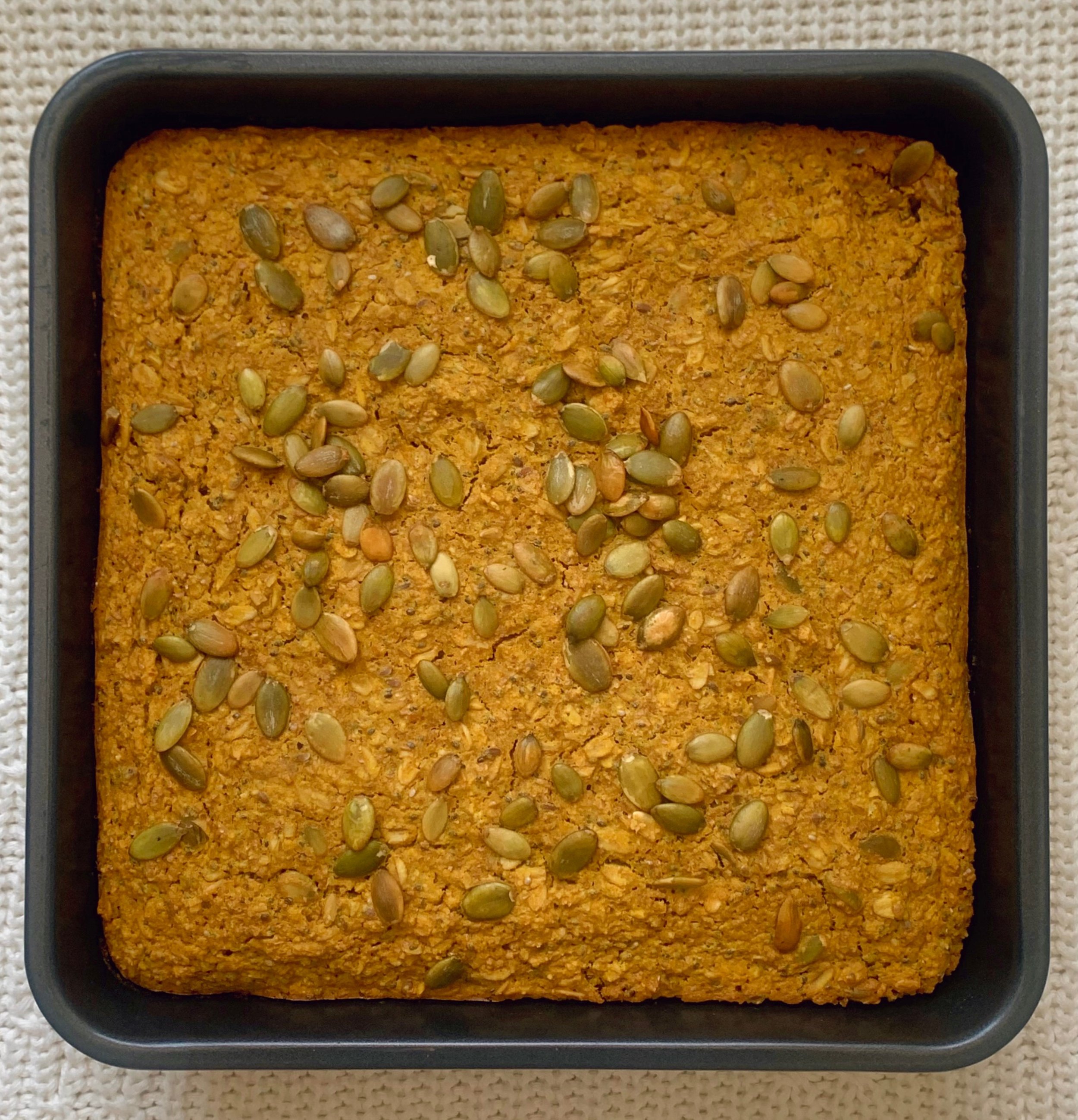
  4. Pour the batter into a prepared 8x8 baking pan. Top with the remaining pumpkin seeds..

  5. Bake for 35 minutes.

  6. Allow to cool, then serve as a bar.

Lunch Box Mango Chutney Chickpea Salad

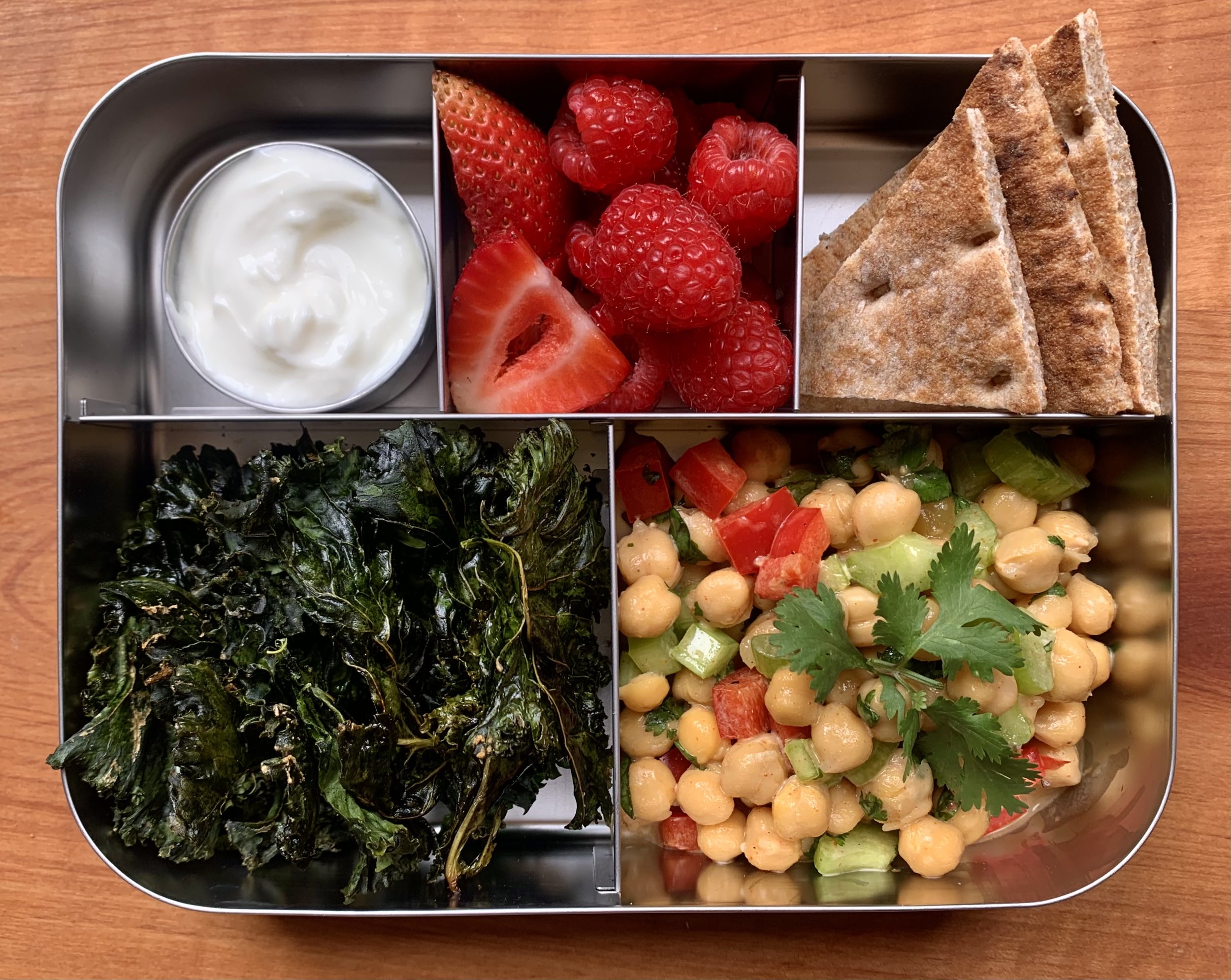
This plant-based lunchbox is full of flavours that both kids and adults will love. If you’ve got someone who is less than enthusiastic for eating pulses (i.e. beans, lentils, chickpeas) and/or leafy greens, give these recipes a try. They’re fantastic entryway recipes for people who think that they don’t like these nutritious foods.

It can be made both vegan and gluten-free. It’s also peanut-free and nut-free.

What’s in this lunch box:

  • Mango Chutney Chickpea Salad

  • Whole wheat naan (sub a gluten-free flatbread of your choice)

  • Baked Kale Chips

  • Mixed berries

  • Greek yogurt (for dipping the berries) Sub with a plant-based yogurt alternative for a vegan option.

Kids under 5 years: Mash the chickpeas before serving. Whole chickpeas can be a choking risk.

Enjoy!

Mango Chutney Chickpea Salad

A delicious alternative way to enjoy this recipe is to mash the chickpeas for a more chicken-salad or tuna-salad type experience. It also reduces the choking risk for kids under 5 years.

Mango Chutney Chickpea Salad Ingredients

¼ cup chopped celery

¼ cup chopped red bell pepper

¼ cup cilantro

1 can chickpeas (14-16 ounces)

2 tbsp mango chutney

1 tbsp mayonnaise/vegan mayo

1 tsp curry powder

Salt and pepper to taste

 Mango Chutney Chickpea Salad Directions

  1. Drain and rinse the chickpeas.

  2. Optional: In a large bowl: Mash the chickpeas.

  3. Combine all the ingredients in a large bowl. Stir to combine.

  4. Optional: Garnish with extra cilantro for presentation.

  5. Enjoy!

Baked Kale Chips Ingredients

1 bunch of kale

1 tbsp olive oil

1 tsp garlic powder

Salt and pepper to taste

Baked Kale Chips Directions

  1. Preheat oven to 325 degrees F.

  2. Wash kale and allow it to dry completely (we don’t want steamed kale).

  3. Massage the olive oil into the kale with your hands. Season with garlic powder, salt & pepper.

  4. Spread the kale out on a cookie sheet and bake for 20-25 mins (until crispy). Watch closely the last 18-25 minutes as the kale goes from crispy to burnt very quickly.

  5. Enjoy!

For another amazing Lunch Box recipe, check out: Black Bean Burrito with Pico De Gallo and Banana Chocolate Cookies

Photo and recipe credit: Olivia Dodsworth

Chocolate Banana Ice Pops

This recipe is perfect for satisfying your sweet tooth or for cooling down on a summer day. It can be modified to your liking! If you like more chocolatey, you can add a bit more cocoa powder. If you like sweeter, you can add a bit more maple syrup. This recipe will also work with any plant-based milk!

Ingredients:

  • 2 bananas

  • 3 Tablespoons almond butter

  • ¼ cup chocolate oat milk or plant-based milk of choice (doesn’t need to be chocolate)

  • 1 tablespoon cocoa powder

  • 1-2 tablespoons maple syrup (by preference)

Directions:

  • Combine ingredients in a blender and blend until smooth.

  • Pour into popsicle moulds and freeze for 6-8 hours (makes 4-5 ice pops).

  • Enjoy!

Note: This recipe uses Earth’s Own chocolate oat milk.

Recipe and photo credit: Olivia Dodsworth

Overnight Oats

Do you find that weekday mornings are rushed?

If so, you're not alone. Most families I work with name this (and weeknight evenings) as the most harried times of the week.

Usually I share recipe ideas that can help with weeknights.

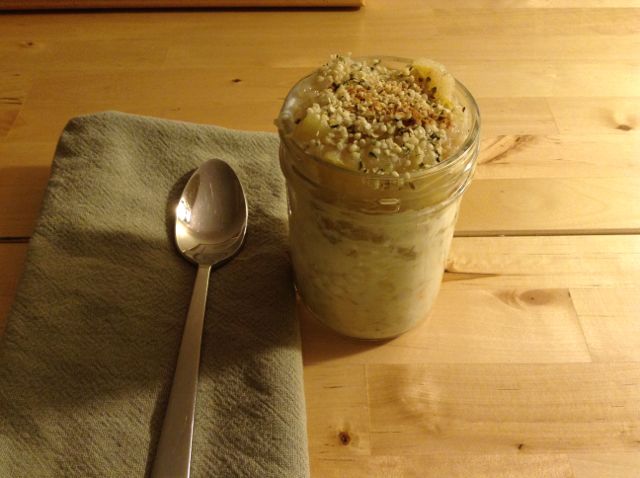
But I've recently given overnight oatmeal a try and I'm loving this! I've totally jumped on the bandwagon. And I'm sharing the recipe with you so you can jump aboard too.

Prepared the night before, and with no cooking required, overnight oats are fantastic!

Made with rolled oats, it's a minimally processed, whole food way to start the day. Much healthier than most boxed cereals and those instant oatmeal packets.

And, it travels well. Which is perfect if you find that you can get your kids fed in the morning but you struggle to get something into yourself. I know that many people rely on smoothies in this situation. But I've always found that I'm hungry again by about 10am when I've had a smoothie for breakfast. Not so with overnight oats - I'm full until noon (or later)!

This recipe is really more of a technique. Mix and match proteins and fruits for variety and to find your favourite combination.

Overnight Oatmeal Directions:

Oats:

  • Combine equal parts rolled oats with yogurt and milk in a bowl or the container that you'll take this in to go (I carried mine with me in the mason jar). A generous adult serving is 1/3c up oats, 1/3 cup yogurt, 1/3 cup milk (or skip the yogurt and use 1/2 cup or more of a plant-based milk alternative, such as oat milk). For kids, start with 1/4 cup of each ingredient and adjust from there depending on your child's appetite.

Protein:

  • Choose a protein that you like. Examples include hemp hearts (my personal favourite), chia seeds, chopped or sliced nuts, nut butter, pumpkin seeds. Add it to the oat mixture.

Fruit:

  • Choose a fruit that you like. Examples include: applesauce (my personal favourite), berries, pomegranate, pumpkin puree. Add it to the oat mixture.

As the name of this dish suggests, prepare everything the night before. Place it in the fridge. The next morning, give it a stir and enjoy!

Get more healthy recipes here.

Constipation in Babies when Introducing Foods

In this video I answer a parent's questions about constipation in babies when introducing your baby to solid foods.

During weaning it's normal for infants' poop to change. I share what's normal, and what's considered constipation.

And, I share 4 food-realted ways that can help get things moving again.

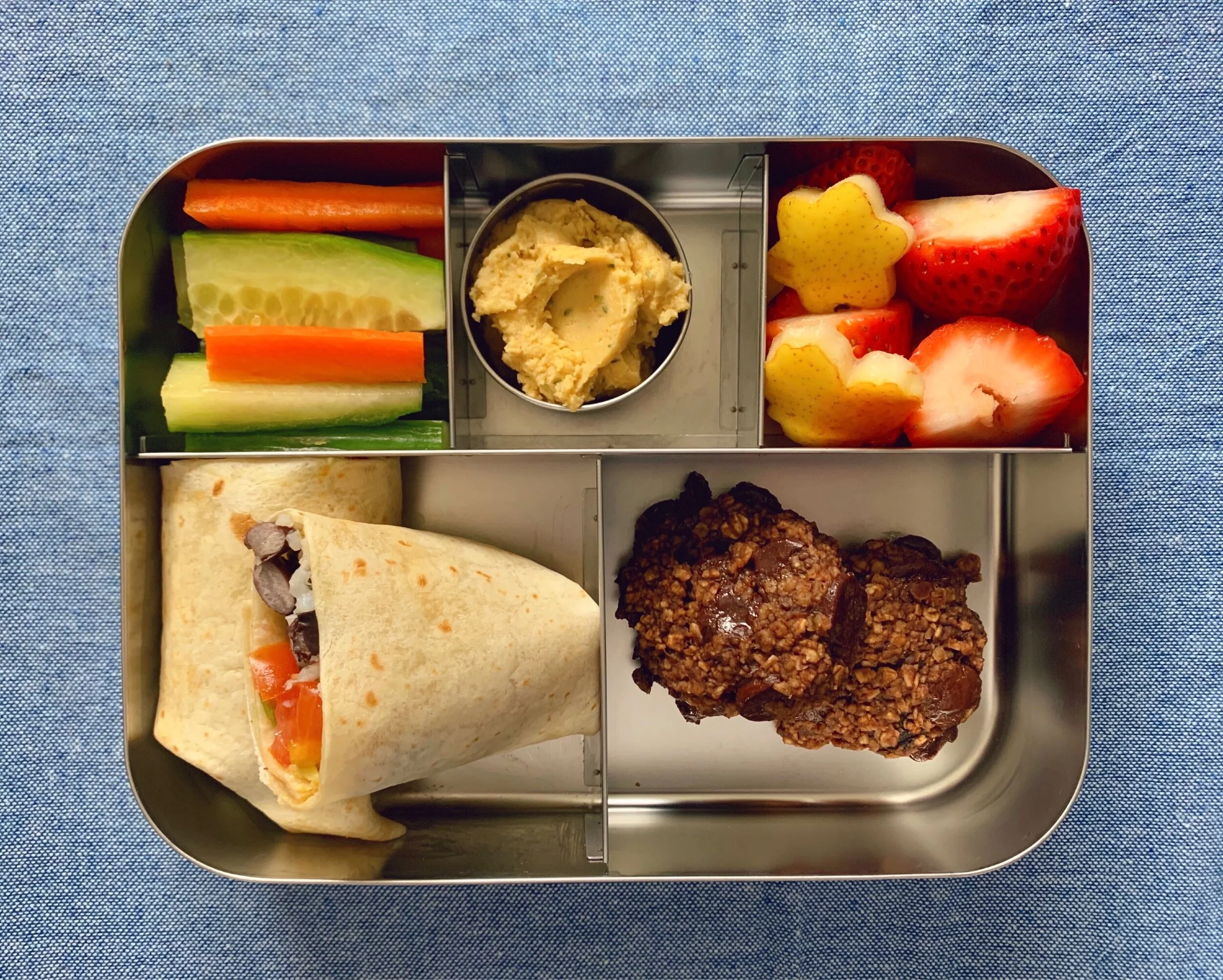
Lunchbox: Black Bean Burrito with Pico De Gallo and Banana Chocolate Cookies

Lunchbox: Black Bean Burrito with Pico De Gallo and Banana Chocolate Cookies

Child-Feeding Expert and Victoria BC Dietitian (Nutritionist) Kristen Yarker, MSc, RD Shares Lunchbox Vegetarian Black Bean Burritos with Homemade Pico de Gallo and Banana Chocolate Cookies (Vegan, Gluten-Free Options, peanut-free, nut-free).

Read More

Pina Colada Style Banana Ice Pops

Pina Colada Style Banana Ice Pops

Victoria BC Dietitian (Nutritionist) Kristen Yarker, MSc, RD Shares Super Simple and Delicious Recipe for Pina Colada Style Banana Ice Pops (Popsicles) that are Vegan and No Sugar Added.

Read More